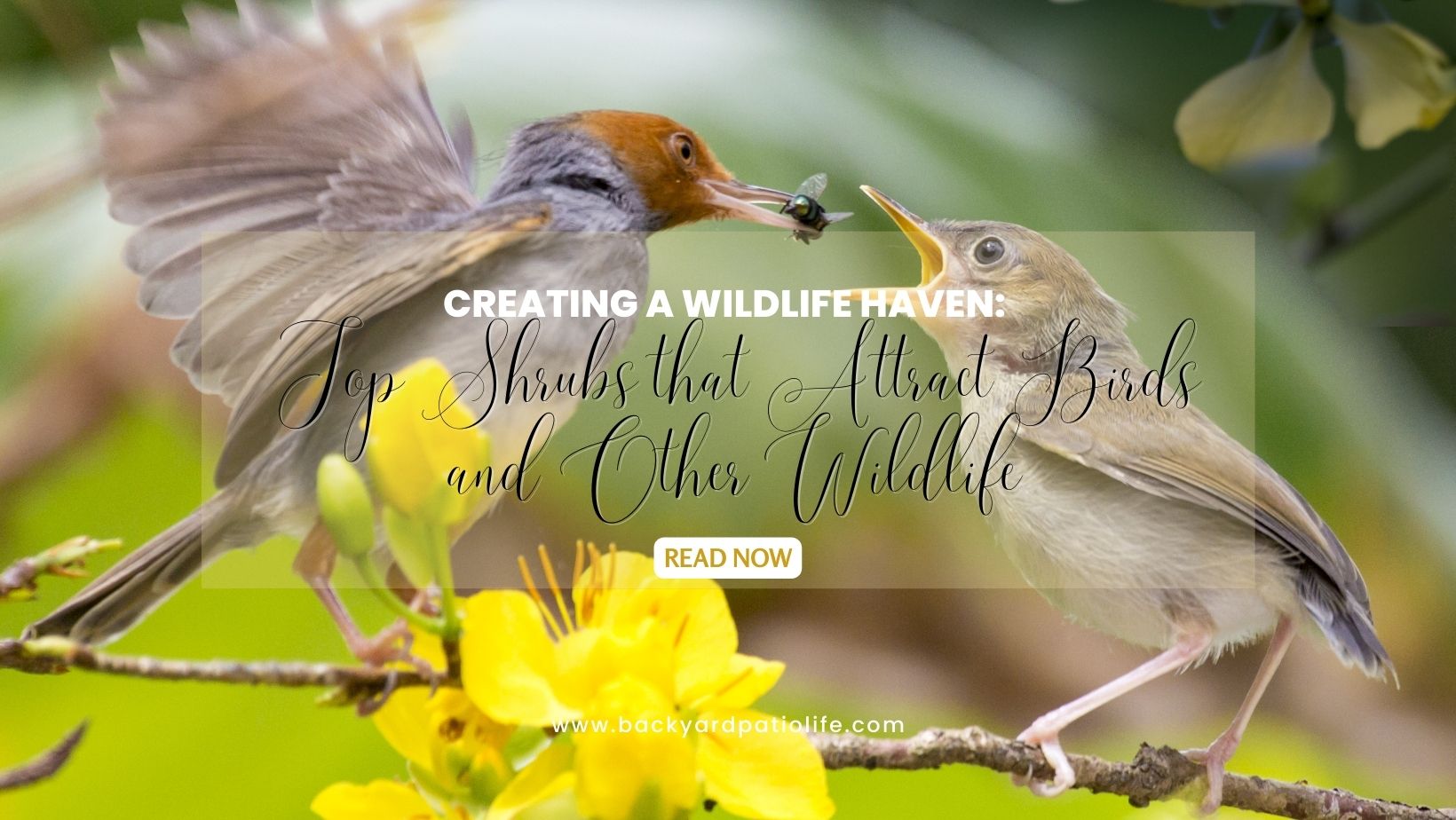
I’ve always loved watching birds and other wildlife in my backyard. There’s something so peaceful and calming about seeing them flitting around, feeding on the native plants and flowers. If you’re like me and want to attract more wildlife to your yard, you can do a few things. One of the best ways is to plant shrubs that attract birds and other wildlife. In this article, I’ll share my top picks for shrubs to help you create a wildlife haven in your backyard.
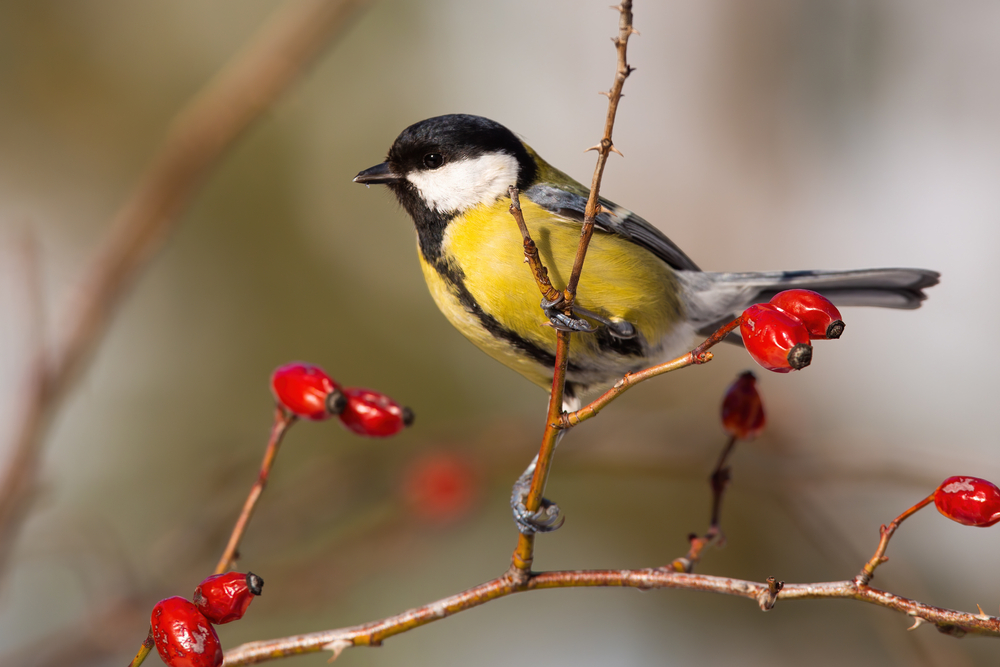
Introduction to Wildlife-Friendly Gardening
Gardening is not just about creating a beautiful and serene space for humans. It’s also about cultivating an environment that supports the local wildlife. Wildlife-friendly gardening is a practice that involves the careful selection and arrangement of plants to attract and sustain various species of wildlife. It’s about creating a haven where creatures like birds, insects, and small mammals want to stay and they thrive.
When I first started gardening, I was mainly focused on the aesthetics. But over time, I realized that my backyard was not just a space for me; it was also a sanctuary for the countless creatures that visited it each day. This realization sparked my interest in wildlife-friendly gardening, a practice that has since become my passion.
Wildlife-friendly gardening is not complicated or demanding. It simply involves being mindful of the needs of the wildlife in your area and adjusting your gardening practices accordingly. A key aspect of this is the selection of the best shrubs for wildlife, which forms the basis of this article.
The Importance of Plants and Shrubs for Wildlife
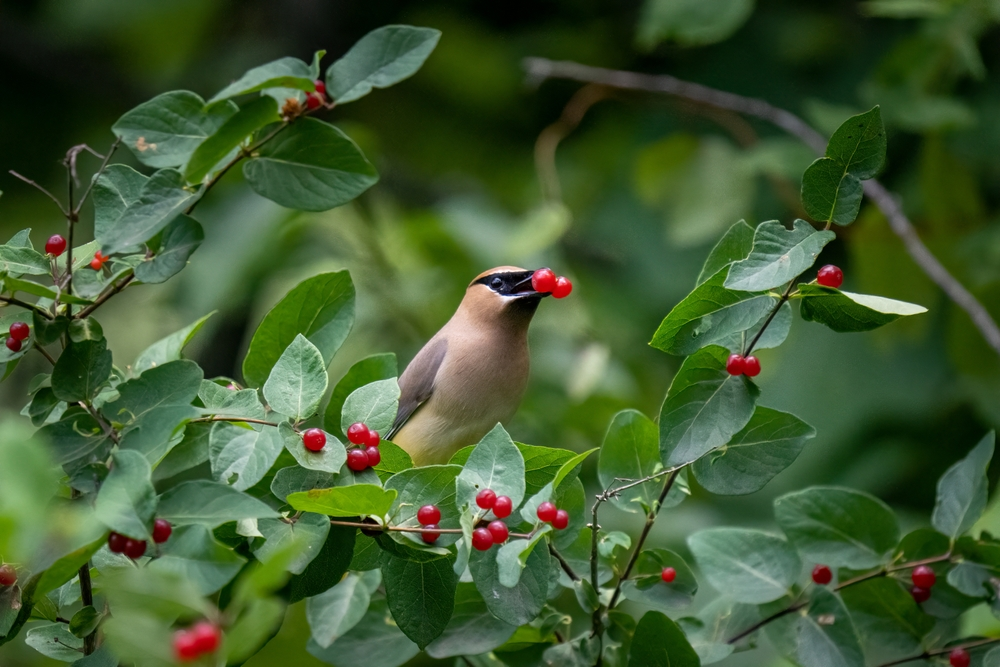
Plants and shrubs play a crucial role in supporting wildlife. They provide food, shelter, and breeding grounds for various species. They also contribute to the overall biodiversity of an area, which is fundamental to the health of our ecosystems.
In my experience, shrubs are one of the most effective ways to attract and sustain wildlife. They offer a variety of resources to wildlife, including nectar for insects, berries for birds, and leaves for caterpillars. They also provide shelter and nesting sites for birds and small mammals.
Choosing the right shrubs for your garden can make all the difference. Some shrubs, known as wildlife shrubs, are beautiful to wildlife due to their rich nectar, abundant berries, or dense foliage. You can create a vibrant and thriving wildlife haven by incorporating these shrubs into your garden.
Types of Wildlife Attracted by Different Plants
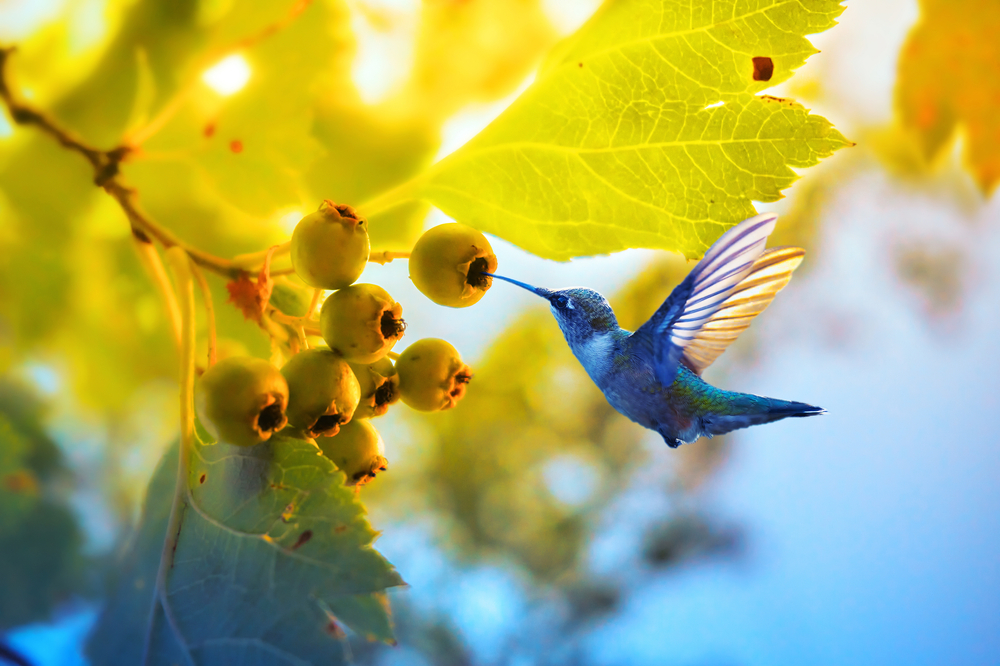
Different plants attract different types of wildlife. For instance, plants that produce nectar-rich flowers are perfect for attracting insects like bees and butterflies. On the other hand, shrubs with berries are excellent for attracting birds.
One thing I’ve noticed in my garden is that certain shrubs are particularly popular with certain species of birds. For instance, my holly shrub is always filled with blackbirds during winter, while the elderberry bush is a favorite of finches and thrushes.
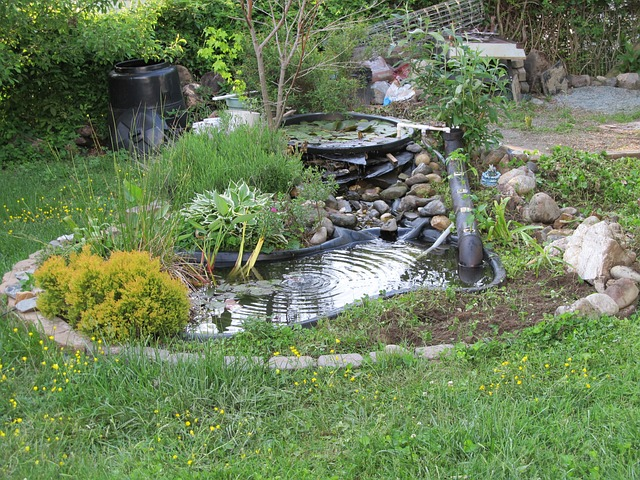
It’s also worth noting that some plants attract more than just birds and insects. For example, hedgehogs are known to frequent gardens with log piles and compost heaps, while frogs and toads are attracted to gardens with ponds.
Top Shrubs for Attracting Birds and Other Wildlife
Countless shrubs can attract wildlife, but some are more effective than others. Here are some of the best shrubs for wildlife that I’ve come across in my gardening journey:
-
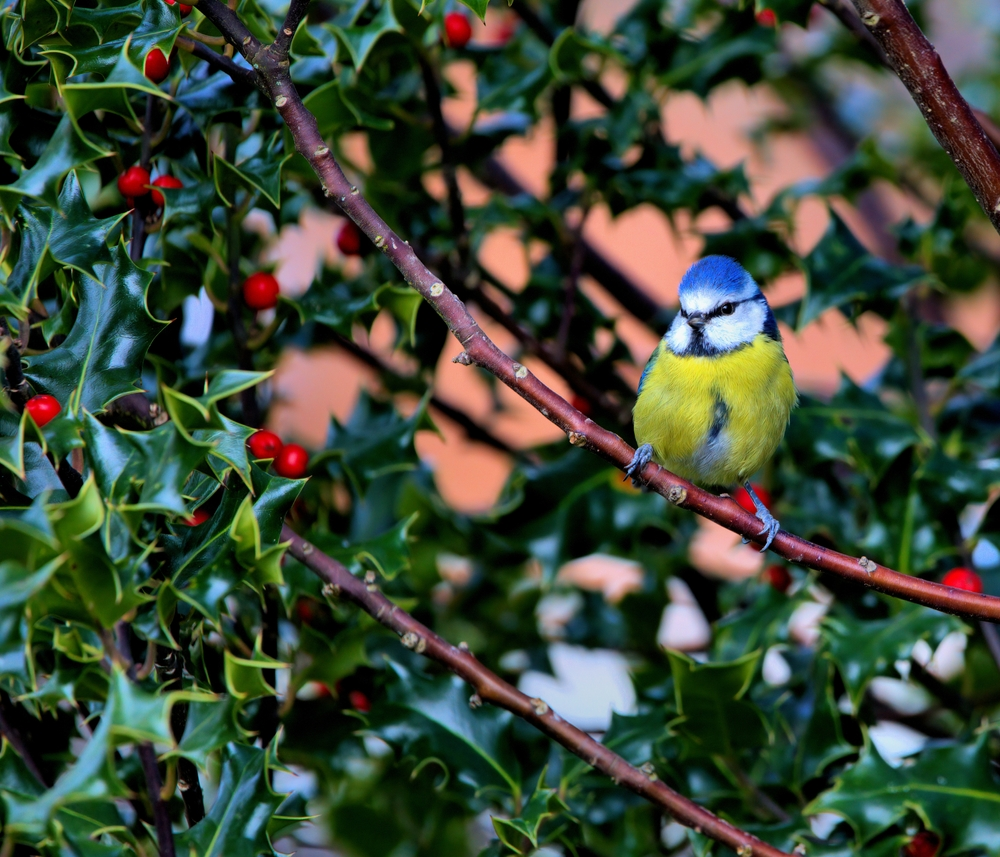
Holly (Ilex):
Holly is a fantastic shrub for birds, especially in winter when food is scarce. Its bright red berries are a favorite of many bird species, including blackbirds and thrushes.
-
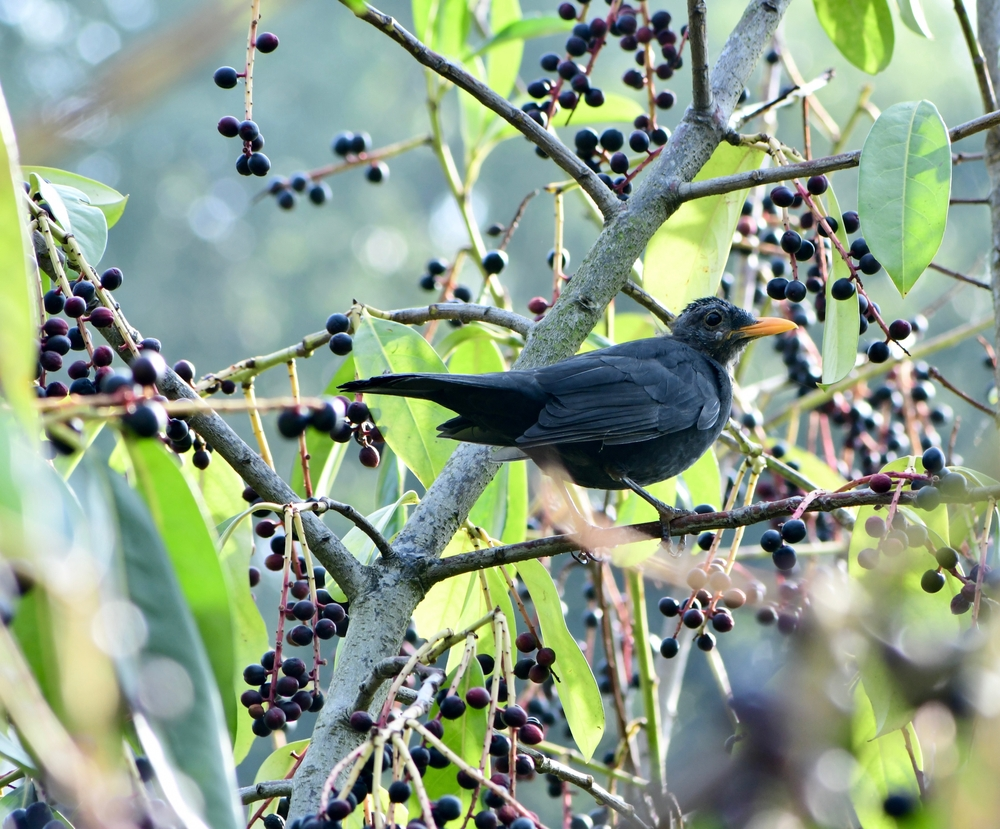
Elderberry (Sambucus):
This shrub produces clusters of small, dark berries that are loved by a variety of bird species. It’s also a great shrub for insects, thanks to its nectar-rich flowers.
-
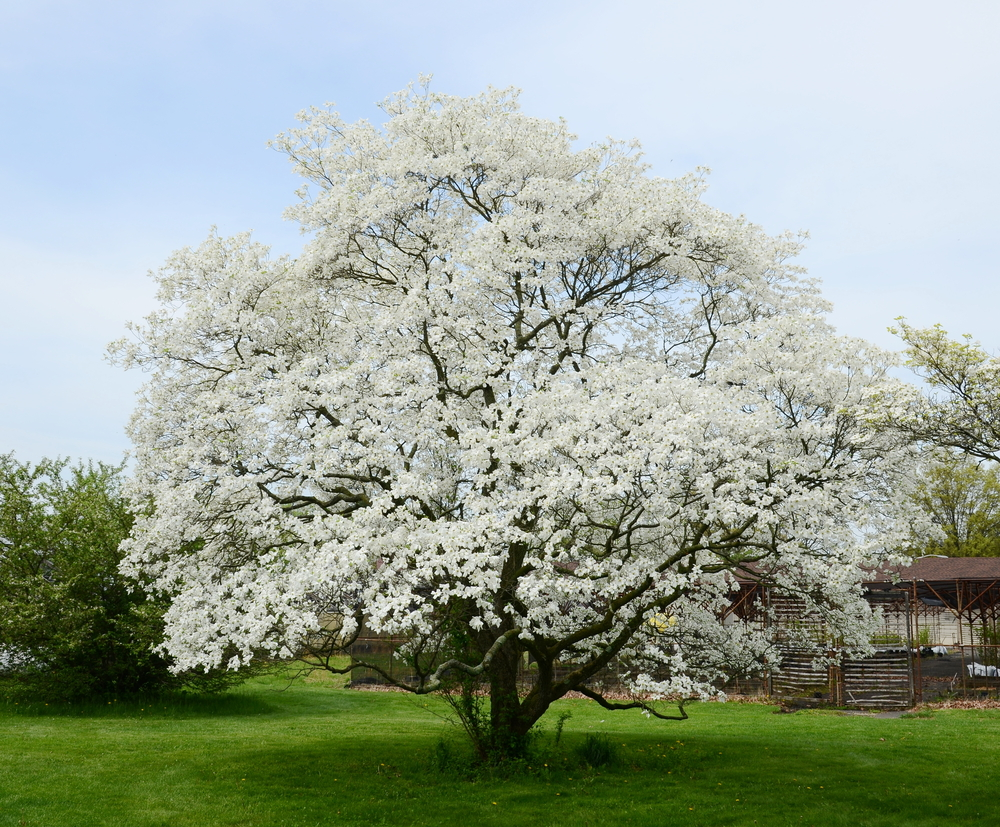
Dogwood (Cornus):
Dogwood is another excellent plant for wildlife. Its berries attract various bird species, while its flowers provide nectar for bees and butterflies. Many choose to add the flowering dogwood tree to their yard for its beauty. And it does have that. But it hosts a variety of wildlife from backyard birds to native insects such as honey bees and butterflies.
I should add that while the white variety of dogwood might be the most well-known, other colors, including pink and red, make great native trees, too. The red osier dogwood is beautiful. We’ve seen a gray dogwood, too.
-
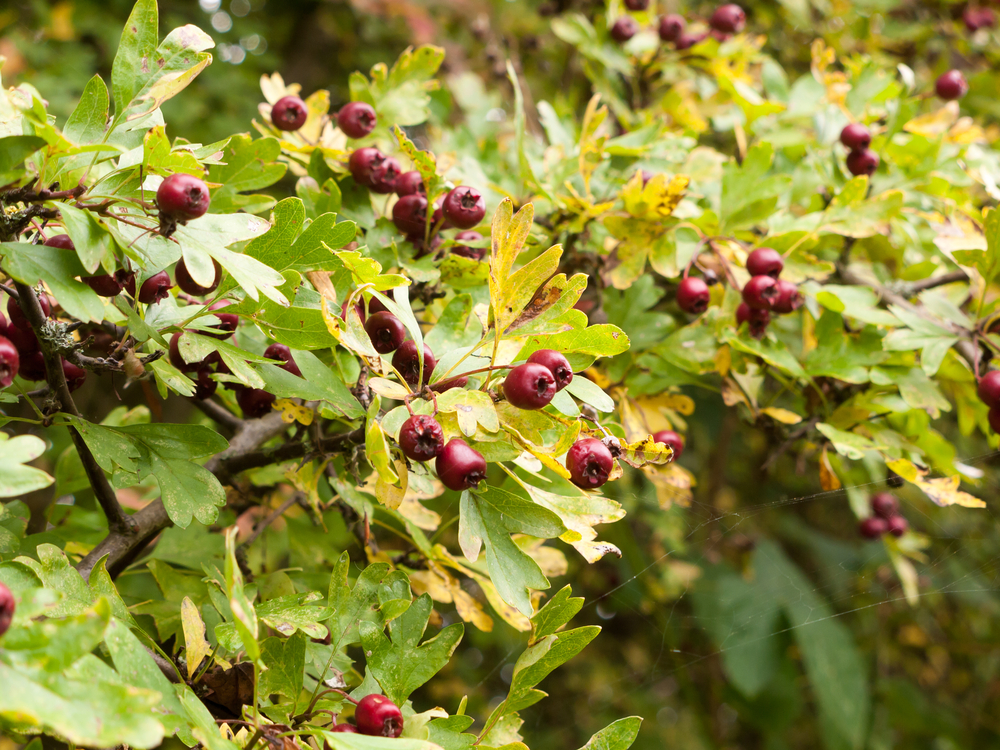
Hawthorn (Crataegus):
Hawthorn is a wildlife shrub that offers something for everyone. Its dense foliage provides bird shelter and nesting sites, its flowers attract insects, and its berries are a food source for birds and small mammals.
Berry Bushes: The Best Bird-Friendly Option
Berry bushes are undoubtedly one of the best options for bird-friendly gardening. Birds love berries, and berry bushes offer a plentiful, easy-to-access food source. They also provide bird shelter and nesting sites, making them an all-around great choice for any bird-friendly garden.
In my garden, I’ve found that berry bushes like holly and elderberry are particularly effective at attracting birds. These shrubs produce abundant berries that keep the birds returning year after year.
But It’s Not Just About the Berries.
The dense foliage of these shrubs also provides excellent cover for birds, protecting them from predators and harsh weather conditions. Furthermore, their branches make perfect nesting sites, allowing birds to breed safely within the garden.
What about the thorny plants? While I prefer picking from the less prickly plants, those thorny shrubs provide food and important cover for many birds and other wildlife.
[/et_pb_text][/et_pb_column][/et_pb_row][et_pb_row _builder_version=”4.22.0″ vertical_offset_tablet=”0″ horizontal_offset_tablet=”0″ custom_padding=”20px|20px|20px|20px” hover_enabled=”0″ z_index_tablet=”0″ box_shadow_horizontal_tablet=”0px” box_shadow_vertical_tablet=”0px” box_shadow_blur_tablet=”40px” box_shadow_spread_tablet=”0px” global_colors_info=”{}” background_color=”#8aa493″ sticky_enabled=”0″ background_enable_mask_style=”on” background_mask_color=”#0e784a” background_mask_blend_mode=”luminosity” background_enable_pattern_style=”on” background_pattern_style=”cubes” background_pattern_blend_mode=”overlay”][et_pb_column type=”4_4″ _builder_version=”4.16″ custom_padding=”|||” global_colors_info=”{}” custom_padding__hover=”|||”][et_pb_text admin_label=”The Role of Trees in Wildlife Landscaping” _builder_version=”4.22.0″ vertical_offset_tablet=”0″ horizontal_offset_tablet=”0″ custom_padding=”20px|20px|20px|20px” hover_enabled=”0″ z_index_tablet=”0″ text_text_shadow_horizontal_length_tablet=”0px” text_text_shadow_vertical_length_tablet=”0px” text_text_shadow_blur_strength_tablet=”1px” link_text_shadow_horizontal_length_tablet=”0px” link_text_shadow_vertical_length_tablet=”0px” link_text_shadow_blur_strength_tablet=”1px” ul_text_shadow_horizontal_length_tablet=”0px” ul_text_shadow_vertical_length_tablet=”0px” ul_text_shadow_blur_strength_tablet=”1px” ol_text_shadow_horizontal_length_tablet=”0px” ol_text_shadow_vertical_length_tablet=”0px” ol_text_shadow_blur_strength_tablet=”1px” quote_text_shadow_horizontal_length_tablet=”0px” quote_text_shadow_vertical_length_tablet=”0px” quote_text_shadow_blur_strength_tablet=”1px” header_text_shadow_style=”preset1″ header_text_shadow_vertical_length_tablet=”0px” header_text_shadow_blur_strength_tablet=”1px” header_2_text_shadow_style=”preset1″ header_2_text_shadow_vertical_length_tablet=”0px” header_2_text_shadow_blur_strength_tablet=”1px” header_3_text_shadow_style=”preset1″ header_3_text_shadow_vertical_length_tablet=”0px” header_3_text_shadow_blur_strength_tablet=”1px” header_4_text_shadow_style=”preset1″ header_4_text_shadow_vertical_length_tablet=”0px” header_4_text_shadow_blur_strength_tablet=”1px” header_5_text_shadow_style=”preset1″ header_5_text_shadow_vertical_length_tablet=”0px” header_5_text_shadow_blur_strength_tablet=”1px” header_6_text_shadow_style=”preset1″ header_6_text_shadow_vertical_length_tablet=”0px” header_6_text_shadow_blur_strength_tablet=”1px” box_shadow_horizontal_tablet=”0px” box_shadow_vertical_tablet=”0px” box_shadow_blur_tablet=”40px” box_shadow_spread_tablet=”0px” global_colors_info=”{}” text_text_color=”#FFFFFF” sticky_enabled=”0″]The Role of Trees in Wildlife Landscaping
While shrubs are crucial in attracting and supporting wildlife, trees should be noticed too. Trees are vital to landscaping wildlife, offering a range of resources and benefits.
Trees provide food for wildlife through fruits, nuts, and seeds. They also offer shelter and nesting sites for birds and other wildlife. Trees also create a vertical structure in the garden, increasing its overall biodiversity.
In my backyard, I’ve noticed that trees like oak and birch are particularly popular with birds. These trees produce a plentiful supply of food and offer excellent nesting sites. They are undoubtedly some of the best trees for birds.
Shrubs That Attract Wildlife
But don’t discount bushes. Many birds and other wildlife prefer the thick foliage of bushes. Of the native plants we find in our area, the shrubs often attract birds, bees, butterflies and other native species.
[/et_pb_text][/et_pb_column][/et_pb_row][et_pb_row _builder_version=”4.22.0″ vertical_offset_tablet=”0″ horizontal_offset_tablet=”0″ custom_padding=”20px|20px|20px|20px” hover_enabled=”0″ z_index_tablet=”0″ box_shadow_horizontal_tablet=”0px” box_shadow_vertical_tablet=”0px” box_shadow_blur_tablet=”40px” box_shadow_spread_tablet=”0px” global_colors_info=”{}” background_color=”#e4e3dc” sticky_enabled=”0″ background_enable_pattern_style=”on” background_pattern_style=”tufted” background_enable_mask_style=”on” background_mask_style=”paint” background_mask_color=”#9c9479″ background_mask_blend_mode=”overlay”][et_pb_column type=”4_4″ _builder_version=”4.16″ custom_padding=”|||” global_colors_info=”{}” custom_padding__hover=”|||”][et_pb_text admin_label=”How to Choose the Best Trees and Shrubs for Birds” _builder_version=”4.22.0″ vertical_offset_tablet=”0″ horizontal_offset_tablet=”0″ custom_padding=”20px|20px|20px|20px” z_index_tablet=”0″ text_text_shadow_horizontal_length_tablet=”0px” text_text_shadow_vertical_length_tablet=”0px” text_text_shadow_blur_strength_tablet=”1px” link_text_shadow_horizontal_length_tablet=”0px” link_text_shadow_vertical_length_tablet=”0px” link_text_shadow_blur_strength_tablet=”1px” ul_text_shadow_horizontal_length_tablet=”0px” ul_text_shadow_vertical_length_tablet=”0px” ul_text_shadow_blur_strength_tablet=”1px” ol_text_shadow_horizontal_length_tablet=”0px” ol_text_shadow_vertical_length_tablet=”0px” ol_text_shadow_blur_strength_tablet=”1px” quote_text_shadow_horizontal_length_tablet=”0px” quote_text_shadow_vertical_length_tablet=”0px” quote_text_shadow_blur_strength_tablet=”1px” header_text_shadow_style=”preset1″ header_text_shadow_vertical_length_tablet=”0px” header_text_shadow_blur_strength_tablet=”1px” header_2_text_shadow_style=”preset1″ header_2_text_shadow_vertical_length_tablet=”0px” header_2_text_shadow_blur_strength_tablet=”1px” header_3_text_shadow_style=”preset1″ header_3_text_shadow_vertical_length_tablet=”0px” header_3_text_shadow_blur_strength_tablet=”1px” header_4_text_shadow_style=”preset1″ header_4_text_shadow_vertical_length_tablet=”0px” header_4_text_shadow_blur_strength_tablet=”1px” header_5_text_shadow_style=”preset1″ header_5_text_shadow_vertical_length_tablet=”0px” header_5_text_shadow_blur_strength_tablet=”1px” header_6_text_shadow_style=”preset1″ header_6_text_shadow_vertical_length_tablet=”0px” header_6_text_shadow_blur_strength_tablet=”1px” box_shadow_horizontal_tablet=”0px” box_shadow_vertical_tablet=”0px” box_shadow_blur_tablet=”40px” box_shadow_spread_tablet=”0px” global_colors_info=”{}”]How to Choose the Best Trees and Shrubs for Birds
When choosing trees and shrubs for your garden, there are several factors to consider. Firstly, you must consider the type of wildlife you want to attract. If you aim to attract birds, you’ll want to focus on bird-friendly plants.
Local Wildlife Needs
Next, consider the needs of the wildlife in your area. This includes their food preferences and the type of habitat they require. For instance, if you’re aiming to attract birds, choose shrubs with berries for birds.
Your Local Conditions
Lastly, consider the conditions of your garden. Different plants thrive in different conditions, so choosing plants suitable for your garden’s soil type, light levels, and climate is essential.
While I might want to grow sweet cherries in my backyard, our zone 9b-10 grows oranges better than cherries. And that’s ok, as long as we plan accordingly.
In my garden, I’ve found that the best shrubs for birds offer a combination of food, shelter, and nesting sites. Shrubs like holly, elderberry, and dogwood tick all these boxes, making them an excellent choice for any bird-friendly garden.
[/et_pb_text][/et_pb_column][/et_pb_row][et_pb_row _builder_version=”4.22.0″ vertical_offset_tablet=”0″ horizontal_offset_tablet=”0″ custom_padding=”20px|20px|20px|20px” hover_enabled=”0″ z_index_tablet=”0″ box_shadow_horizontal_tablet=”0px” box_shadow_vertical_tablet=”0px” box_shadow_blur_tablet=”40px” box_shadow_spread_tablet=”0px” global_colors_info=”{}” background_color=”#8aa493″ sticky_enabled=”0″ background_enable_mask_style=”on” background_mask_color=”#0e784a” background_mask_blend_mode=”luminosity” background_enable_pattern_style=”on” background_pattern_style=”cubes” background_pattern_blend_mode=”overlay”][et_pb_column type=”4_4″ _builder_version=”4.16″ custom_padding=”|||” global_colors_info=”{}” custom_padding__hover=”|||”][et_pb_text admin_label=”Features of Bird-Attracting Shrubs” _builder_version=”4.22.0″ vertical_offset_tablet=”0″ horizontal_offset_tablet=”0″ custom_padding=”20px|20px|20px|20px” hover_enabled=”0″ z_index_tablet=”0″ text_text_shadow_horizontal_length_tablet=”0px” text_text_shadow_vertical_length_tablet=”0px” text_text_shadow_blur_strength_tablet=”1px” link_text_shadow_horizontal_length_tablet=”0px” link_text_shadow_vertical_length_tablet=”0px” link_text_shadow_blur_strength_tablet=”1px” ul_text_shadow_horizontal_length_tablet=”0px” ul_text_shadow_vertical_length_tablet=”0px” ul_text_shadow_blur_strength_tablet=”1px” ol_text_shadow_horizontal_length_tablet=”0px” ol_text_shadow_vertical_length_tablet=”0px” ol_text_shadow_blur_strength_tablet=”1px” quote_text_shadow_horizontal_length_tablet=”0px” quote_text_shadow_vertical_length_tablet=”0px” quote_text_shadow_blur_strength_tablet=”1px” header_text_shadow_style=”preset1″ header_text_shadow_vertical_length_tablet=”0px” header_text_shadow_blur_strength_tablet=”1px” header_2_text_shadow_style=”preset1″ header_2_text_shadow_vertical_length_tablet=”0px” header_2_text_shadow_blur_strength_tablet=”1px” header_3_text_shadow_style=”preset1″ header_3_text_shadow_vertical_length_tablet=”0px” header_3_text_shadow_blur_strength_tablet=”1px” header_4_text_shadow_style=”preset1″ header_4_text_shadow_vertical_length_tablet=”0px” header_4_text_shadow_blur_strength_tablet=”1px” header_5_text_shadow_style=”preset1″ header_5_text_shadow_vertical_length_tablet=”0px” header_5_text_shadow_blur_strength_tablet=”1px” header_6_text_shadow_style=”preset1″ header_6_text_shadow_vertical_length_tablet=”0px” header_6_text_shadow_blur_strength_tablet=”1px” box_shadow_horizontal_tablet=”0px” box_shadow_vertical_tablet=”0px” box_shadow_blur_tablet=”40px” box_shadow_spread_tablet=”0px” global_colors_info=”{}” text_text_color=”#FFFFFF” sticky_enabled=”0″]Features of Bird-Attracting Shrubs
Bird-attracting shrubs have several common features. Firstly, they tend to produce a plentiful supply of food in the form of berries, seeds, or nectar. This food source attracts birds to the garden and keeps them coming back.
Secondly, bird-attracting shrubs typically have dense foliage. This provides cover for birds, protecting them from predators and harsh weather conditions. It also creates an ideal environment for nesting.
Lastly, bird-attracting shrubs are often native to the area. Native shrubs are already adapted to the local climate and soil conditions, making them easier to grow. They also tend to be more attractive to local wildlife, as they offer the type of food and habitat that the wildlife is familiar with.
[/et_pb_text][/et_pb_column][/et_pb_row][et_pb_row _builder_version=”4.22.0″ vertical_offset_tablet=”0″ horizontal_offset_tablet=”0″ custom_padding=”20px|20px|20px|20px” hover_enabled=”0″ z_index_tablet=”0″ box_shadow_horizontal_tablet=”0px” box_shadow_vertical_tablet=”0px” box_shadow_blur_tablet=”40px” box_shadow_spread_tablet=”0px” global_colors_info=”{}” background_color=”#e4e3dc” sticky_enabled=”0″ background_enable_pattern_style=”on” background_pattern_style=”tufted” background_enable_mask_style=”on” background_mask_style=”corner-paint” background_mask_color=”#9c9479″ background_mask_blend_mode=”overlay”][et_pb_column type=”4_4″ _builder_version=”4.16″ custom_padding=”|||” global_colors_info=”{}” custom_padding__hover=”|||”][et_pb_text admin_label=”Tips for Maintaining a Garden That Attracts Birds and Other Wildlife” _builder_version=”4.22.0″ vertical_offset_tablet=”0″ horizontal_offset_tablet=”0″ custom_padding=”20px|20px|20px|20px” z_index_tablet=”0″ text_text_shadow_horizontal_length_tablet=”0px” text_text_shadow_vertical_length_tablet=”0px” text_text_shadow_blur_strength_tablet=”1px” link_text_shadow_horizontal_length_tablet=”0px” link_text_shadow_vertical_length_tablet=”0px” link_text_shadow_blur_strength_tablet=”1px” ul_text_shadow_horizontal_length_tablet=”0px” ul_text_shadow_vertical_length_tablet=”0px” ul_text_shadow_blur_strength_tablet=”1px” ol_text_shadow_horizontal_length_tablet=”0px” ol_text_shadow_vertical_length_tablet=”0px” ol_text_shadow_blur_strength_tablet=”1px” quote_text_shadow_horizontal_length_tablet=”0px” quote_text_shadow_vertical_length_tablet=”0px” quote_text_shadow_blur_strength_tablet=”1px” header_text_shadow_style=”preset1″ header_text_shadow_vertical_length_tablet=”0px” header_text_shadow_blur_strength_tablet=”1px” header_2_text_shadow_style=”preset1″ header_2_text_shadow_vertical_length_tablet=”0px” header_2_text_shadow_blur_strength_tablet=”1px” header_3_text_shadow_style=”preset1″ header_3_text_shadow_vertical_length_tablet=”0px” header_3_text_shadow_blur_strength_tablet=”1px” header_4_text_shadow_style=”preset1″ header_4_text_shadow_vertical_length_tablet=”0px” header_4_text_shadow_blur_strength_tablet=”1px” header_5_text_shadow_style=”preset1″ header_5_text_shadow_vertical_length_tablet=”0px” header_5_text_shadow_blur_strength_tablet=”1px” header_6_text_shadow_style=”preset1″ header_6_text_shadow_vertical_length_tablet=”0px” header_6_text_shadow_blur_strength_tablet=”1px” box_shadow_horizontal_tablet=”0px” box_shadow_vertical_tablet=”0px” box_shadow_blur_tablet=”40px” box_shadow_spread_tablet=”0px” global_colors_info=”{}”]Tips for Maintaining a Garden That Attracts Birds and Other Wildlife
Maintaining a garden that attracts birds and other wildlife is relatively easy and quick. It simply involves a few key practices:
-
Provide a Variety of Food Sources:
Wildlife species have different food preferences, so it’s important to provide a variety of food sources. This can include shrubs with berries, flowering plants for nectar, and seed-bearing plants.
-
Create a Range of Habitats:
Different wildlife species require different habitats, so aim to create a range of habitats in your garden. This can include shrubs for shelter, trees for nesting, and ponds for amphibians.
-
Avoid Using Pesticides:
Pesticides can harm wildlife, so try to avoid using them in your garden. Instead, aim to create a balanced ecosystem where predators naturally control pests.
-
Provide Water:
All wildlife needs water, so provide a water source in your garden. This can be as simple as a birdbath or a small pond.
[/et_pb_text][/et_pb_column][/et_pb_row][et_pb_row _builder_version=”4.22.0″ vertical_offset_tablet=”0″ horizontal_offset_tablet=”0″ custom_padding=”20px|20px|20px|20px” hover_enabled=”0″ z_index_tablet=”0″ box_shadow_horizontal_tablet=”0px” box_shadow_vertical_tablet=”0px” box_shadow_blur_tablet=”40px” box_shadow_spread_tablet=”0px” global_colors_info=”{}” background_color=”#8aa493″ sticky_enabled=”0″ background_enable_mask_style=”on” background_mask_color=”#0e784a” background_mask_blend_mode=”luminosity” background_enable_pattern_style=”on” background_pattern_blend_mode=”overlay” background_pattern_style=”cubes”][et_pb_column type=”4_4″ _builder_version=”4.16″ custom_padding=”|||” global_colors_info=”{}” custom_padding__hover=”|||”][et_pb_text admin_label=”Creating Your Own Wildlife Haven” _builder_version=”4.22.0″ vertical_offset_tablet=”0″ horizontal_offset_tablet=”0″ custom_padding=”20px|20px|20px|20px” hover_enabled=”0″ z_index_tablet=”0″ text_text_shadow_horizontal_length_tablet=”0px” text_text_shadow_vertical_length_tablet=”0px” text_text_shadow_blur_strength_tablet=”1px” link_text_shadow_horizontal_length_tablet=”0px” link_text_shadow_vertical_length_tablet=”0px” link_text_shadow_blur_strength_tablet=”1px” ul_text_shadow_horizontal_length_tablet=”0px” ul_text_shadow_vertical_length_tablet=”0px” ul_text_shadow_blur_strength_tablet=”1px” ol_text_shadow_horizontal_length_tablet=”0px” ol_text_shadow_vertical_length_tablet=”0px” ol_text_shadow_blur_strength_tablet=”1px” quote_text_shadow_horizontal_length_tablet=”0px” quote_text_shadow_vertical_length_tablet=”0px” quote_text_shadow_blur_strength_tablet=”1px” header_text_shadow_style=”preset1″ header_text_shadow_vertical_length_tablet=”0px” header_text_shadow_blur_strength_tablet=”1px” header_2_text_shadow_style=”preset1″ header_2_text_shadow_vertical_length_tablet=”0px” header_2_text_shadow_blur_strength_tablet=”1px” header_3_text_shadow_style=”preset1″ header_3_text_shadow_vertical_length_tablet=”0px” header_3_text_shadow_blur_strength_tablet=”1px” header_4_text_shadow_style=”preset1″ header_4_text_shadow_vertical_length_tablet=”0px” header_4_text_shadow_blur_strength_tablet=”1px” header_5_text_shadow_style=”preset1″ header_5_text_shadow_vertical_length_tablet=”0px” header_5_text_shadow_blur_strength_tablet=”1px” header_6_text_shadow_style=”preset1″ header_6_text_shadow_vertical_length_tablet=”0px” header_6_text_shadow_blur_strength_tablet=”1px” box_shadow_horizontal_tablet=”0px” box_shadow_vertical_tablet=”0px” box_shadow_blur_tablet=”40px” box_shadow_spread_tablet=”0px” global_colors_info=”{}” text_text_color=”#FFFFFF” sticky_enabled=”0″]Creating Your Own Wildlife Haven
Creating a wildlife haven in your backyard proves a rewarding and fulfilling experience. It allows you to support local wildlife, contribute to biodiversity, and enjoy the beauty of nature on your doorstep.
In my journey as a gardener, I’ve found that diversity is the key to attracting and sustaining wildlife. By offering a range of habitats and food sources, you can attract a wide variety of wildlife to your garden.
And remember, every garden, no matter how small, can make a difference. So why not start your wildlife-friendly gardening journey today? With the right plants and practices, you can transform your garden into a vibrant and thriving wildlife haven.
[/et_pb_text][/et_pb_column][/et_pb_row][et_pb_row _builder_version=”4.22.0″ vertical_offset_tablet=”0″ horizontal_offset_tablet=”0″ custom_padding=”20px|20px|20px|20px” z_index_tablet=”0″ box_shadow_horizontal_tablet=”0px” box_shadow_vertical_tablet=”0px” box_shadow_blur_tablet=”40px” box_shadow_spread_tablet=”0px” global_colors_info=”{}”][et_pb_column type=”4_4″ _builder_version=”4.16″ custom_padding=”|||” global_colors_info=”{}” custom_padding__hover=”|||”][et_pb_divider _builder_version=”4.22.0″ vertical_offset_tablet=”0″ horizontal_offset_tablet=”0″ z_index_tablet=”0″ box_shadow_horizontal_tablet=”0px” box_shadow_vertical_tablet=”0px” box_shadow_blur_tablet=”40px” box_shadow_spread_tablet=”0px” global_colors_info=”{}”][/et_pb_divider][et_pb_text admin_label=”Frequently Asked Questions” _builder_version=”4.22.0″ vertical_offset_tablet=”0″ horizontal_offset_tablet=”0″ custom_padding=”20px|20px|20px|20px” hover_enabled=”0″ z_index_tablet=”0″ text_text_shadow_horizontal_length_tablet=”0px” text_text_shadow_vertical_length_tablet=”0px” text_text_shadow_blur_strength_tablet=”1px” link_text_shadow_horizontal_length_tablet=”0px” link_text_shadow_vertical_length_tablet=”0px” link_text_shadow_blur_strength_tablet=”1px” ul_text_shadow_horizontal_length_tablet=”0px” ul_text_shadow_vertical_length_tablet=”0px” ul_text_shadow_blur_strength_tablet=”1px” ol_text_shadow_horizontal_length_tablet=”0px” ol_text_shadow_vertical_length_tablet=”0px” ol_text_shadow_blur_strength_tablet=”1px” quote_text_shadow_horizontal_length_tablet=”0px” quote_text_shadow_vertical_length_tablet=”0px” quote_text_shadow_blur_strength_tablet=”1px” header_text_shadow_style=”preset1″ header_text_shadow_vertical_length_tablet=”0px” header_text_shadow_blur_strength_tablet=”1px” header_2_text_shadow_style=”preset1″ header_2_text_shadow_vertical_length_tablet=”0px” header_2_text_shadow_blur_strength_tablet=”1px” header_3_text_shadow_style=”preset1″ header_3_text_shadow_vertical_length_tablet=”0px” header_3_text_shadow_blur_strength_tablet=”1px” header_4_text_shadow_style=”preset1″ header_4_text_shadow_vertical_length_tablet=”0px” header_4_text_shadow_blur_strength_tablet=”1px” header_5_text_shadow_style=”preset1″ header_5_text_shadow_vertical_length_tablet=”0px” header_5_text_shadow_blur_strength_tablet=”1px” header_6_text_shadow_style=”preset1″ header_6_text_shadow_vertical_length_tablet=”0px” header_6_text_shadow_blur_strength_tablet=”1px” box_shadow_horizontal_tablet=”0px” box_shadow_vertical_tablet=”0px” box_shadow_blur_tablet=”40px” box_shadow_spread_tablet=”0px” global_colors_info=”{}” background_enable_mask_style=”on” background_mask_style=”ellipse” background_mask_color=”#0C71C3″ background_mask_transform=”invert” sticky_enabled=”0″]Frequently Asked Questions
[/et_pb_text][et_pb_toggle title=”Why should I attract wildlife to my yard with shrubs?” admin_label=”FAQs Toggle 1″ _builder_version=”4.22.0″ vertical_offset_tablet=”0″ horizontal_offset_tablet=”0″ title_text_shadow_horizontal_length_tablet=”0px” title_text_shadow_vertical_length_tablet=”0px” title_text_shadow_blur_strength_tablet=”1px” closed_title_text_shadow_horizontal_length_tablet=”0px” closed_title_text_shadow_vertical_length_tablet=”0px” closed_title_text_shadow_blur_strength_tablet=”1px” body_text_shadow_horizontal_length_tablet=”0px” body_text_shadow_vertical_length_tablet=”0px” body_text_shadow_blur_strength_tablet=”1px” body_link_text_shadow_horizontal_length_tablet=”0px” body_link_text_shadow_vertical_length_tablet=”0px” body_link_text_shadow_blur_strength_tablet=”1px” body_ul_text_shadow_horizontal_length_tablet=”0px” body_ul_text_shadow_vertical_length_tablet=”0px” body_ul_text_shadow_blur_strength_tablet=”1px” body_ol_text_shadow_horizontal_length_tablet=”0px” body_ol_text_shadow_vertical_length_tablet=”0px” body_ol_text_shadow_blur_strength_tablet=”1px” body_quote_text_shadow_horizontal_length_tablet=”0px” body_quote_text_shadow_vertical_length_tablet=”0px” body_quote_text_shadow_blur_strength_tablet=”1px” box_shadow_horizontal_tablet=”0px” box_shadow_vertical_tablet=”0px” box_shadow_blur_tablet=”40px” box_shadow_spread_tablet=”0px” text_shadow_horizontal_length_tablet=”0px” text_shadow_vertical_length_tablet=”0px” text_shadow_blur_strength_tablet=”1px” global_colors_info=”{}”]Attracting wildlife enriches your ecosystem, aids pollination, and promotes biodiversity. Shrubs offer shelter and food sources, creating a balanced habitat.
[/et_pb_toggle][et_pb_toggle title=”Which shrubs are best for attracting birds?” admin_label=”FAQs Toggle 2″ _builder_version=”4.22.0″ vertical_offset_tablet=”0″ horizontal_offset_tablet=”0″ title_text_shadow_horizontal_length_tablet=”0px” title_text_shadow_vertical_length_tablet=”0px” title_text_shadow_blur_strength_tablet=”1px” closed_title_text_shadow_horizontal_length_tablet=”0px” closed_title_text_shadow_vertical_length_tablet=”0px” closed_title_text_shadow_blur_strength_tablet=”1px” body_text_shadow_horizontal_length_tablet=”0px” body_text_shadow_vertical_length_tablet=”0px” body_text_shadow_blur_strength_tablet=”1px” body_link_text_shadow_horizontal_length_tablet=”0px” body_link_text_shadow_vertical_length_tablet=”0px” body_link_text_shadow_blur_strength_tablet=”1px” body_ul_text_shadow_horizontal_length_tablet=”0px” body_ul_text_shadow_vertical_length_tablet=”0px” body_ul_text_shadow_blur_strength_tablet=”1px” body_ol_text_shadow_horizontal_length_tablet=”0px” body_ol_text_shadow_vertical_length_tablet=”0px” body_ol_text_shadow_blur_strength_tablet=”1px” body_quote_text_shadow_horizontal_length_tablet=”0px” body_quote_text_shadow_vertical_length_tablet=”0px” body_quote_text_shadow_blur_strength_tablet=”1px” box_shadow_horizontal_tablet=”0px” box_shadow_vertical_tablet=”0px” box_shadow_blur_tablet=”40px” box_shadow_spread_tablet=”0px” text_shadow_horizontal_length_tablet=”0px” text_shadow_vertical_length_tablet=”0px” text_shadow_blur_strength_tablet=”1px” global_colors_info=”{}”]Shrubs like Elderberry, Serviceberry, and Viburnum provide berries that birds love. They also offer safe nesting spots and cover from predators.
[/et_pb_toggle][et_pb_toggle title=”What shrubs attract butterflies and bees?” admin_label=”FAQs Toggle 3″ _builder_version=”4.22.0″ vertical_offset_tablet=”0″ horizontal_offset_tablet=”0″ title_text_shadow_horizontal_length_tablet=”0px” title_text_shadow_vertical_length_tablet=”0px” title_text_shadow_blur_strength_tablet=”1px” closed_title_text_shadow_horizontal_length_tablet=”0px” closed_title_text_shadow_vertical_length_tablet=”0px” closed_title_text_shadow_blur_strength_tablet=”1px” body_text_shadow_horizontal_length_tablet=”0px” body_text_shadow_vertical_length_tablet=”0px” body_text_shadow_blur_strength_tablet=”1px” body_link_text_shadow_horizontal_length_tablet=”0px” body_link_text_shadow_vertical_length_tablet=”0px” body_link_text_shadow_blur_strength_tablet=”1px” body_ul_text_shadow_horizontal_length_tablet=”0px” body_ul_text_shadow_vertical_length_tablet=”0px” body_ul_text_shadow_blur_strength_tablet=”1px” body_ol_text_shadow_horizontal_length_tablet=”0px” body_ol_text_shadow_vertical_length_tablet=”0px” body_ol_text_shadow_blur_strength_tablet=”1px” body_quote_text_shadow_horizontal_length_tablet=”0px” body_quote_text_shadow_vertical_length_tablet=”0px” body_quote_text_shadow_blur_strength_tablet=”1px” box_shadow_horizontal_tablet=”0px” box_shadow_vertical_tablet=”0px” box_shadow_blur_tablet=”40px” box_shadow_spread_tablet=”0px” text_shadow_horizontal_length_tablet=”0px” text_shadow_vertical_length_tablet=”0px” text_shadow_blur_strength_tablet=”1px” global_colors_info=”{}”]Butterfly Bush, Bee Balm, and Lavender are great choices. Their nectar-rich blooms lure butterflies and bees, aiding in pollination.
[/et_pb_toggle][et_pb_toggle title=”Can I attract wildlife in small spaces or urban areas?” admin_label=”FAQs Toggle 4″ _builder_version=”4.22.0″ vertical_offset_tablet=”0″ horizontal_offset_tablet=”0″ title_text_shadow_horizontal_length_tablet=”0px” title_text_shadow_vertical_length_tablet=”0px” title_text_shadow_blur_strength_tablet=”1px” closed_title_text_shadow_horizontal_length_tablet=”0px” closed_title_text_shadow_vertical_length_tablet=”0px” closed_title_text_shadow_blur_strength_tablet=”1px” body_text_shadow_horizontal_length_tablet=”0px” body_text_shadow_vertical_length_tablet=”0px” body_text_shadow_blur_strength_tablet=”1px” body_link_text_shadow_horizontal_length_tablet=”0px” body_link_text_shadow_vertical_length_tablet=”0px” body_link_text_shadow_blur_strength_tablet=”1px” body_ul_text_shadow_horizontal_length_tablet=”0px” body_ul_text_shadow_vertical_length_tablet=”0px” body_ul_text_shadow_blur_strength_tablet=”1px” body_ol_text_shadow_horizontal_length_tablet=”0px” body_ol_text_shadow_vertical_length_tablet=”0px” body_ol_text_shadow_blur_strength_tablet=”1px” body_quote_text_shadow_horizontal_length_tablet=”0px” body_quote_text_shadow_vertical_length_tablet=”0px” body_quote_text_shadow_blur_strength_tablet=”1px” box_shadow_horizontal_tablet=”0px” box_shadow_vertical_tablet=”0px” box_shadow_blur_tablet=”40px” box_shadow_spread_tablet=”0px” text_shadow_horizontal_length_tablet=”0px” text_shadow_vertical_length_tablet=”0px” text_shadow_blur_strength_tablet=”1px” global_colors_info=”{}”]Absolutely! Compact shrubs like Potentilla and Spirea are ideal for smaller spaces and can still attract birds and pollinators.
[/et_pb_toggle][et_pb_divider _builder_version=”4.22.0″ vertical_offset_tablet=”0″ horizontal_offset_tablet=”0″ z_index_tablet=”0″ box_shadow_horizontal_tablet=”0px” box_shadow_vertical_tablet=”0px” box_shadow_blur_tablet=”40px” box_shadow_spread_tablet=”0px” global_colors_info=”{}”][/et_pb_divider][/et_pb_column][/et_pb_row][et_pb_row _builder_version=”4.22.0″ vertical_offset_tablet=”0″ horizontal_offset_tablet=”0″ custom_padding=”20px|20px|20px|20px” z_index_tablet=”0″ box_shadow_horizontal_tablet=”0px” box_shadow_vertical_tablet=”0px” box_shadow_blur_tablet=”40px” box_shadow_spread_tablet=”0px” global_colors_info=”{}”][et_pb_column type=”4_4″ _builder_version=”4.16″ custom_padding=”|||” global_colors_info=”{}” custom_padding__hover=”|||”][et_pb_text admin_label=”Social Media Promotion” _builder_version=”4.22.0″ vertical_offset_tablet=”0″ horizontal_offset_tablet=”0″ custom_padding=”20px|20px|20px|20px” hover_enabled=”0″ z_index_tablet=”0″ text_text_shadow_horizontal_length_tablet=”0px” text_text_shadow_vertical_length_tablet=”0px” text_text_shadow_blur_strength_tablet=”1px” link_text_shadow_horizontal_length_tablet=”0px” link_text_shadow_vertical_length_tablet=”0px” link_text_shadow_blur_strength_tablet=”1px” ul_text_shadow_horizontal_length_tablet=”0px” ul_text_shadow_vertical_length_tablet=”0px” ul_text_shadow_blur_strength_tablet=”1px” ol_text_shadow_horizontal_length_tablet=”0px” ol_text_shadow_vertical_length_tablet=”0px” ol_text_shadow_blur_strength_tablet=”1px” quote_text_shadow_horizontal_length_tablet=”0px” quote_text_shadow_vertical_length_tablet=”0px” quote_text_shadow_blur_strength_tablet=”1px” header_text_shadow_style=”preset1″ header_text_shadow_vertical_length_tablet=”0px” header_text_shadow_blur_strength_tablet=”1px” header_2_text_shadow_style=”preset1″ header_2_text_shadow_vertical_length_tablet=”0px” header_2_text_shadow_blur_strength_tablet=”1px” header_3_text_shadow_style=”preset1″ header_3_text_shadow_vertical_length_tablet=”0px” header_3_text_shadow_blur_strength_tablet=”1px” header_4_text_shadow_style=”preset1″ header_4_text_shadow_vertical_length_tablet=”0px” header_4_text_shadow_blur_strength_tablet=”1px” header_5_text_shadow_style=”preset1″ header_5_text_shadow_vertical_length_tablet=”0px” header_5_text_shadow_blur_strength_tablet=”1px” header_6_text_shadow_style=”preset1″ header_6_text_shadow_vertical_length_tablet=”0px” header_6_text_shadow_blur_strength_tablet=”1px” box_shadow_horizontal_tablet=”0px” box_shadow_vertical_tablet=”0px” box_shadow_blur_tablet=”40px” box_shadow_spread_tablet=”0px” global_colors_info=”{}” box_shadow_style=”preset1″ border_radii=”on|20px|20px|20px|20px” border_width_all=”2px” use_background_color_gradient=”on” background_color_gradient_stops=”#7cda24 0%|#edf000 99%” background_enable_pattern_style=”on” background_pattern_style=”crosses” background_pattern_blend_mode=”overlay” background_enable_mask_style=”on” background_mask_color=”#90a246″ background_mask_blend_mode=”overlay” sticky_enabled=”0″ text_text_shadow_style=”preset3″]Unveil Outdoor Delights with BackYardPatioLife
Dive into a world of outdoor inspiration and family joy! 🌿 Connect with us on:
👉 Facebook: Discover captivating content, gardening tips, and vibrant family living.
👉 Instagram: Explore our visual journey through patio renovations, gardening insights, and joyful family moments.
👉 Pinterest: Pin your way to transformed outdoor spaces and creative family lifestyle ideas.
👉 Twitter: Join the conversation on patio makeovers, green thumbs, and embracing the family-friendly vibe.
Join us in celebrating the beauty of outdoor living and cherished family moments! 🌼🏡👨👩👧👦
[/et_pb_text][/et_pb_column][/et_pb_row][et_pb_row _builder_version=”4.22.0″ vertical_offset_tablet=”0″ horizontal_offset_tablet=”0″ custom_padding=”20px|20px|20px|20px” hover_enabled=”0″ z_index_tablet=”0″ box_shadow_horizontal_tablet=”0px” box_shadow_vertical_tablet=”0px” box_shadow_blur_tablet=”40px” box_shadow_spread_tablet=”0px” global_colors_info=”{}” background_color=”#ba999d” background_enable_pattern_style=”on” background_pattern_style=”diagonal-stripes” background_pattern_blend_mode=”overlay” sticky_enabled=”0″][et_pb_column type=”4_4″ _builder_version=”4.16″ custom_padding=”|||” global_colors_info=”{}” custom_padding__hover=”|||”][et_pb_text admin_label=”Read More” _builder_version=”4.22.0″ vertical_offset_tablet=”0″ horizontal_offset_tablet=”0″ custom_padding=”20px|20px|20px|20px” z_index_tablet=”0″ text_text_shadow_horizontal_length_tablet=”0px” text_text_shadow_vertical_length_tablet=”0px” text_text_shadow_blur_strength_tablet=”1px” link_text_shadow_horizontal_length_tablet=”0px” link_text_shadow_vertical_length_tablet=”0px” link_text_shadow_blur_strength_tablet=”1px” ul_text_shadow_horizontal_length_tablet=”0px” ul_text_shadow_vertical_length_tablet=”0px” ul_text_shadow_blur_strength_tablet=”1px” ol_text_shadow_horizontal_length_tablet=”0px” ol_text_shadow_vertical_length_tablet=”0px” ol_text_shadow_blur_strength_tablet=”1px” quote_text_shadow_horizontal_length_tablet=”0px” quote_text_shadow_vertical_length_tablet=”0px” quote_text_shadow_blur_strength_tablet=”1px” header_text_shadow_style=”preset1″ header_text_shadow_vertical_length_tablet=”0px” header_text_shadow_blur_strength_tablet=”1px” header_2_text_shadow_style=”preset1″ header_2_text_shadow_vertical_length_tablet=”0px” header_2_text_shadow_blur_strength_tablet=”1px” header_3_text_shadow_style=”preset1″ header_3_text_shadow_vertical_length_tablet=”0px” header_3_text_shadow_blur_strength_tablet=”1px” header_4_text_shadow_style=”preset1″ header_4_text_shadow_vertical_length_tablet=”0px” header_4_text_shadow_blur_strength_tablet=”1px” header_5_text_shadow_style=”preset1″ header_5_text_shadow_vertical_length_tablet=”0px” header_5_text_shadow_blur_strength_tablet=”1px” header_6_text_shadow_style=”preset1″ header_6_text_shadow_vertical_length_tablet=”0px” header_6_text_shadow_blur_strength_tablet=”1px” box_shadow_horizontal_tablet=”0px” box_shadow_vertical_tablet=”0px” box_shadow_blur_tablet=”40px” box_shadow_spread_tablet=”0px” global_colors_info=”{}”]
[/et_pb_text][/et_pb_column][/et_pb_row][/et_pb_section]